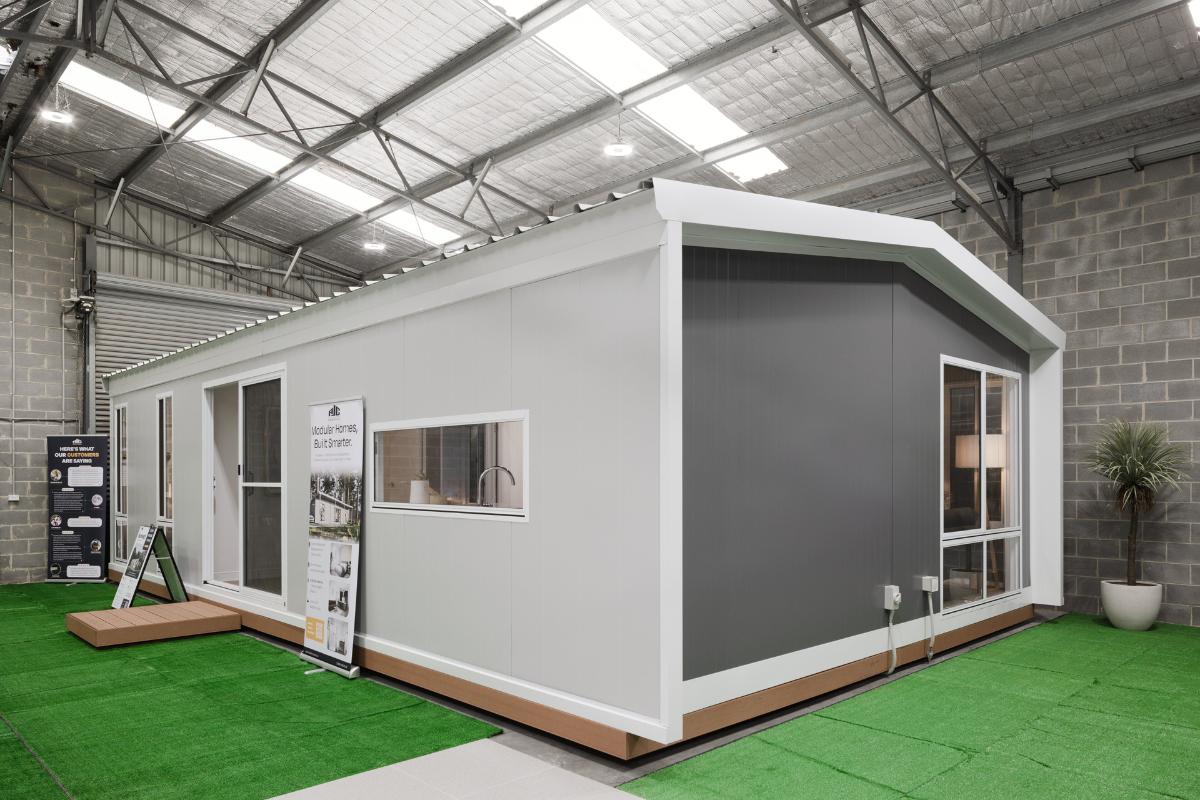
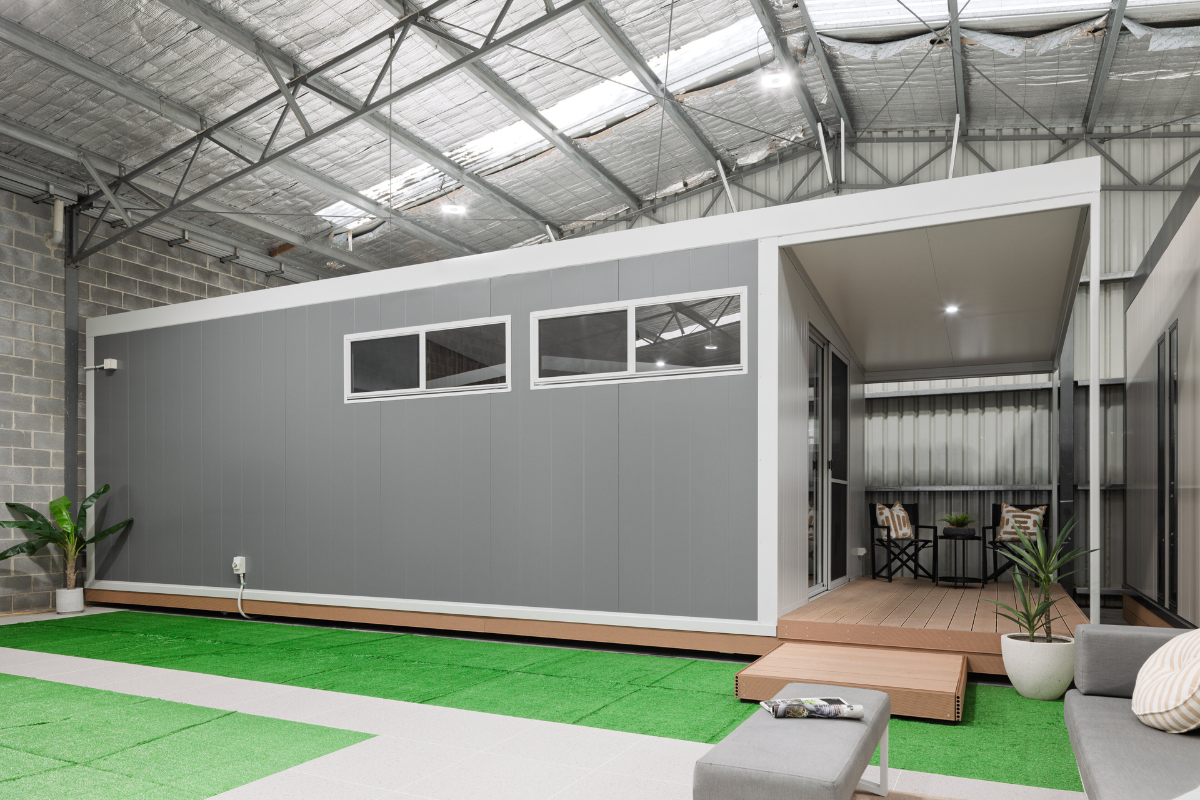
Bondor’s Structural Insulated Panels (SIPs) sit at the core of AJC Modular’s building system. Used across both walls and roofing, they create a tightly sealed, well-insulated structure that can be assembled quickly on site.
“They’re a highly insulated steel panel that goes together basically like a Lego piece,” AJC CEO Andrew Copley said.
This simplicity also supports the way AJC Modular delivers projects at scale. “We’ve got a unique system that makes construction faster. We have a highly efficient, energy-rated building, but we can also build it at scale and speed.”
Because the panels arrive fully insulated, performance can be adjusted to suit each build. “The advantage of the Bondor product is it comes fully insulated, and you can choose your level of insulation as well,” Andrew said.
That flexibility is especially important when working to meet regulatory requirements.
“In Australia, all residential homes need to meet Class 1a standards, which in many states means achieving a high energy efficiency rating, often around seven stars. In those cases, we work with Bondor to increase the insulation levels in the panels to meet those requirements.”
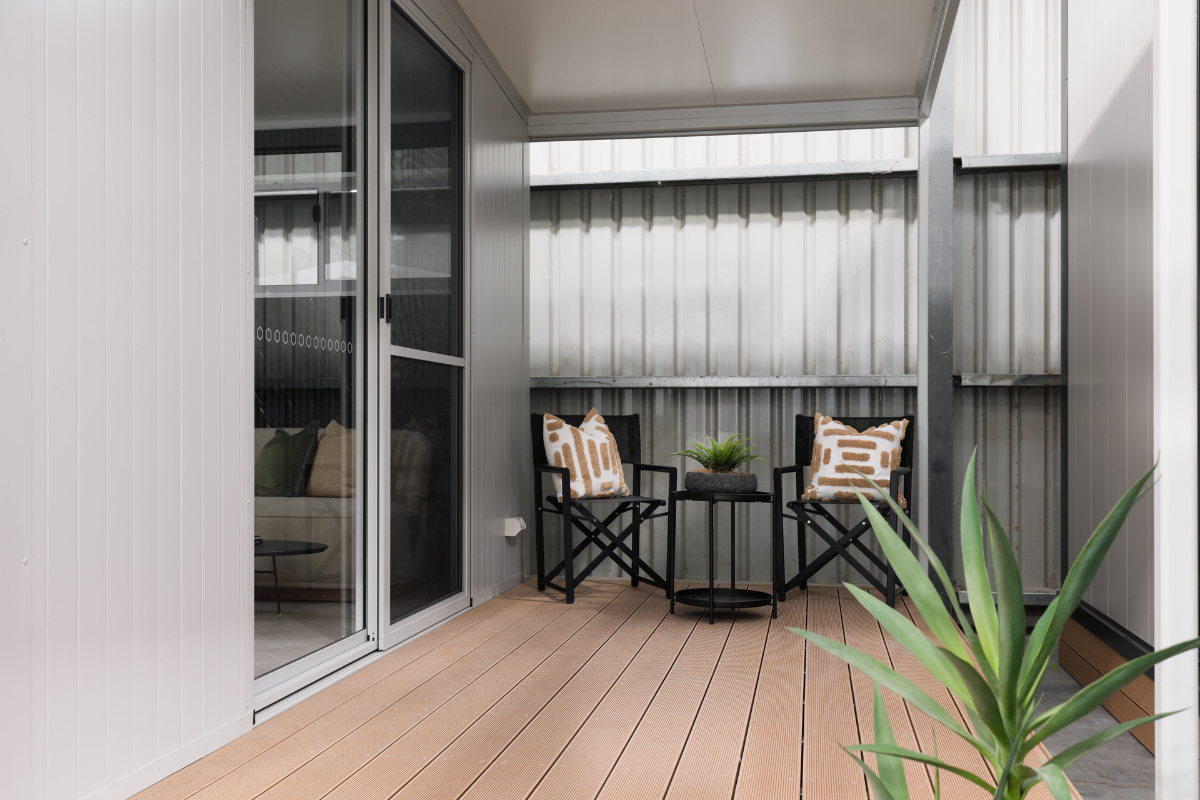
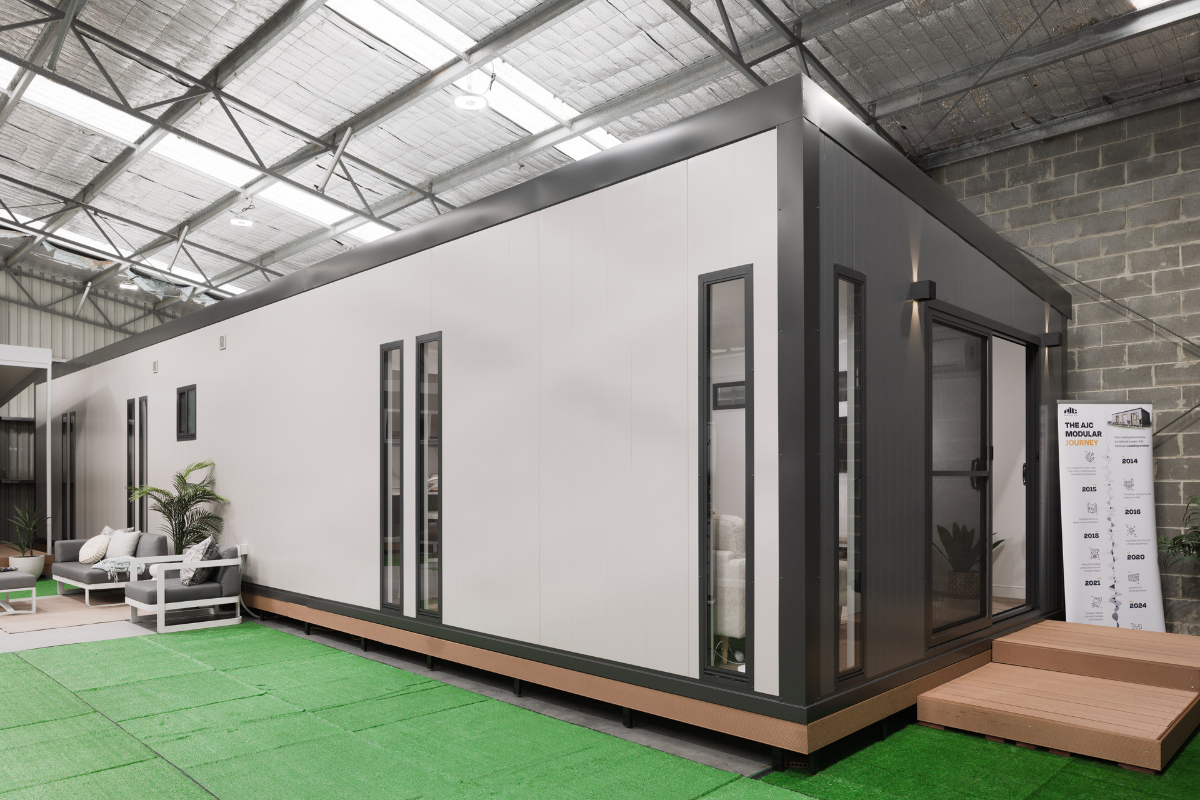
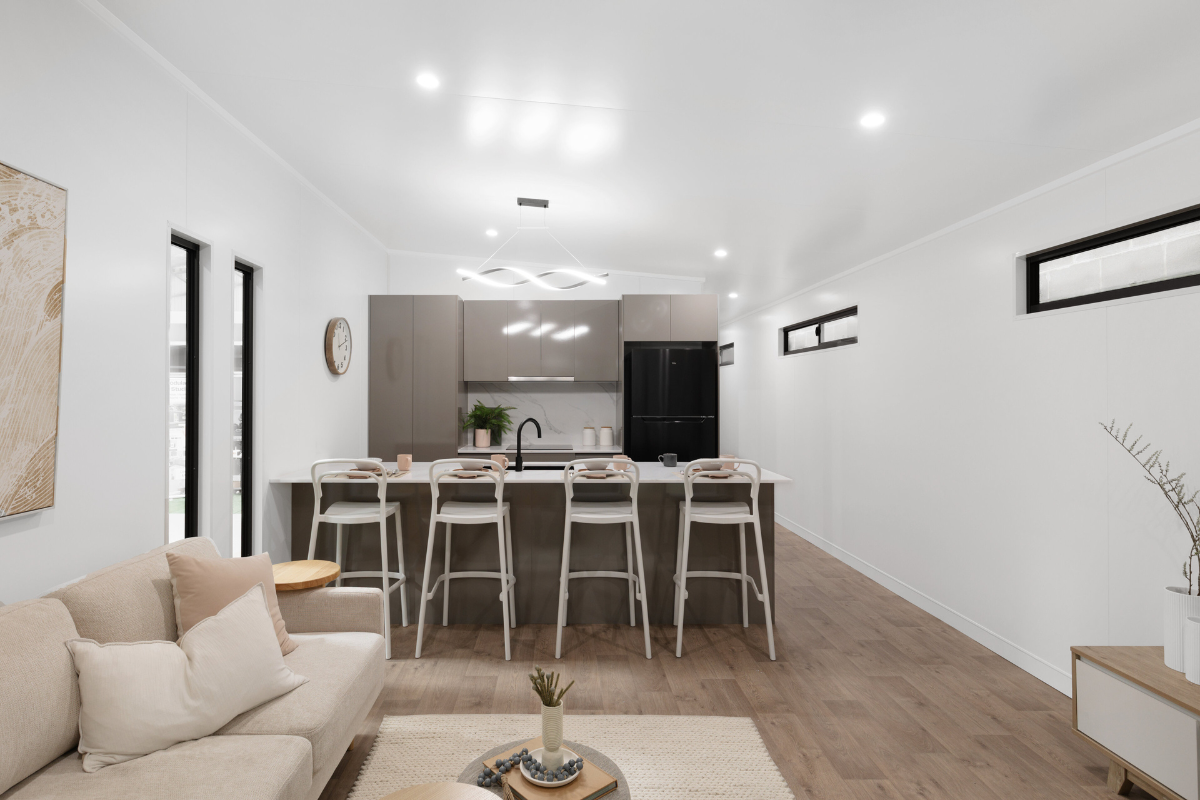
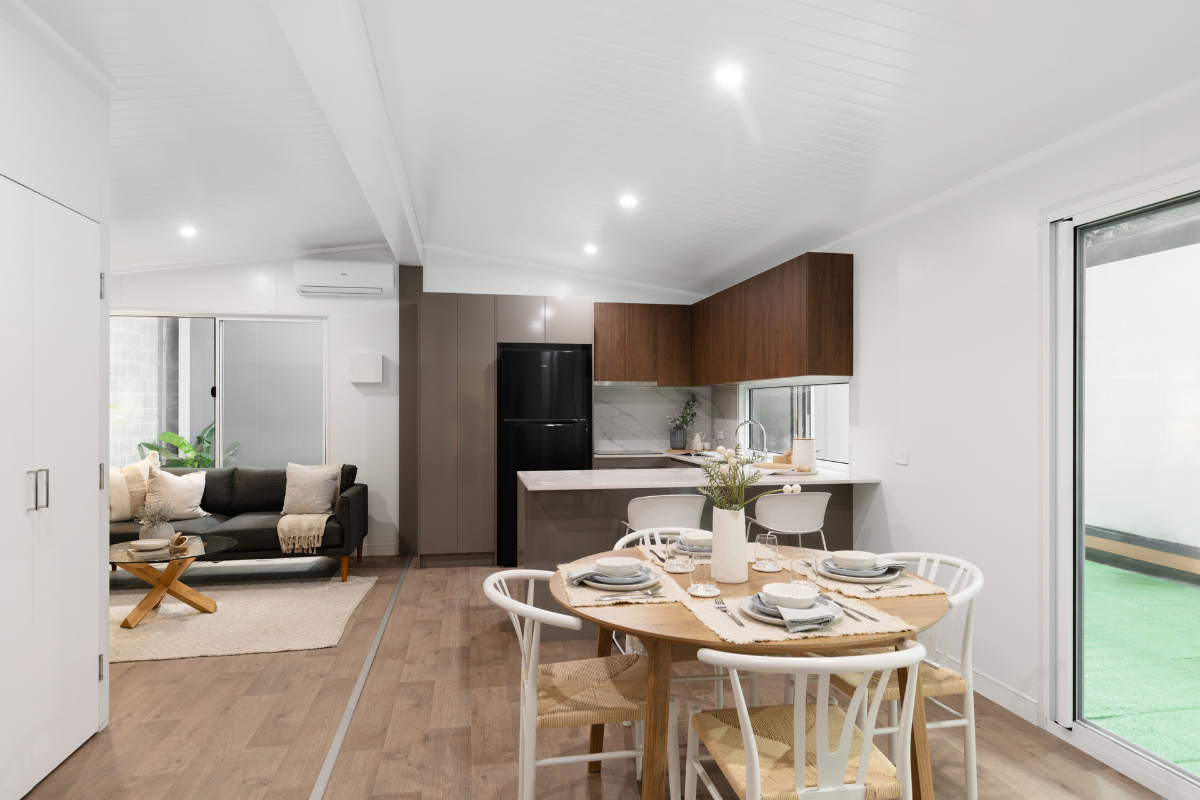
At its Brisbane display centre, AJC showcases the Airlie, a 68 m² modular home designed to fit comfortably within a standard residential block.
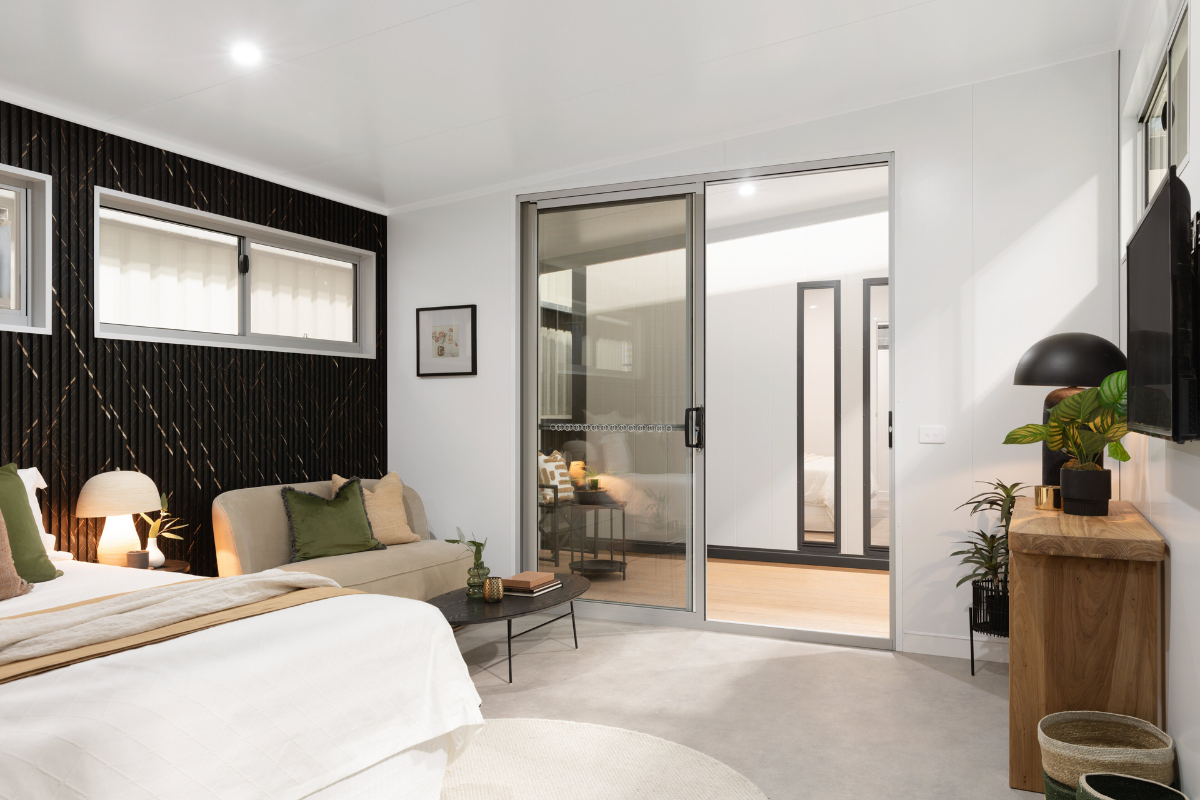
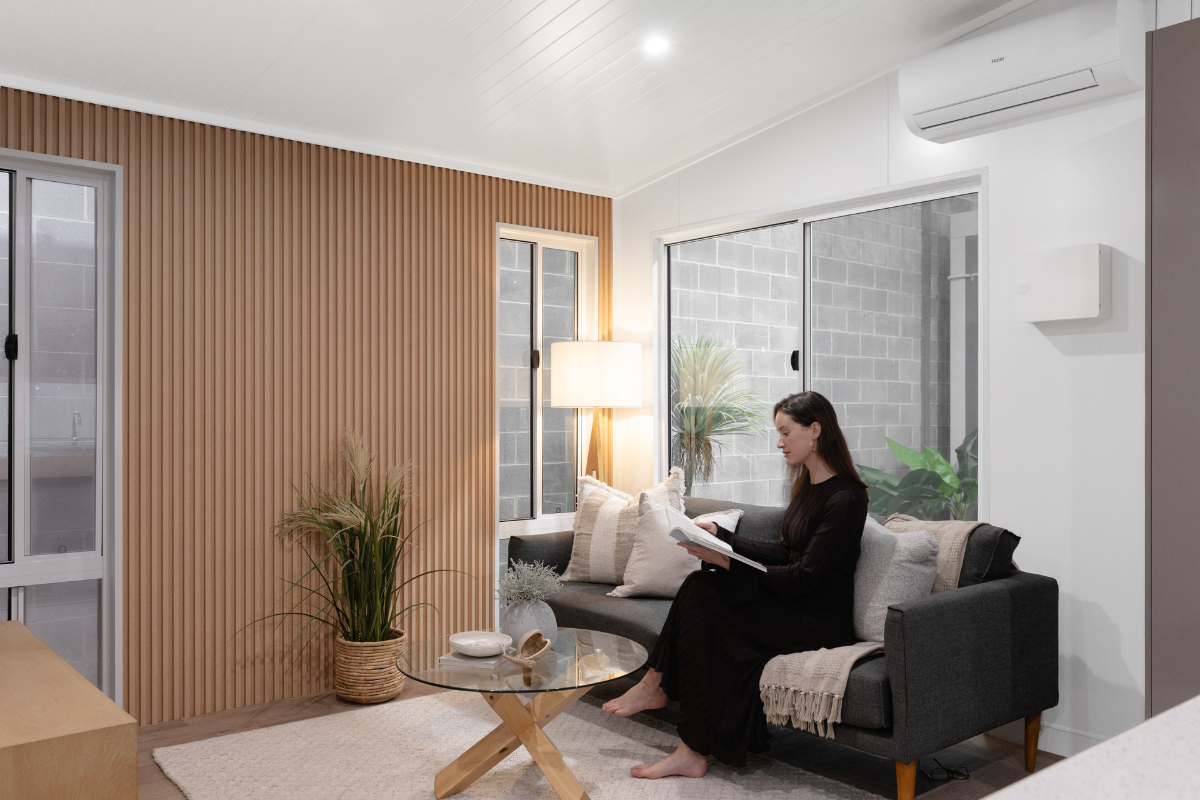
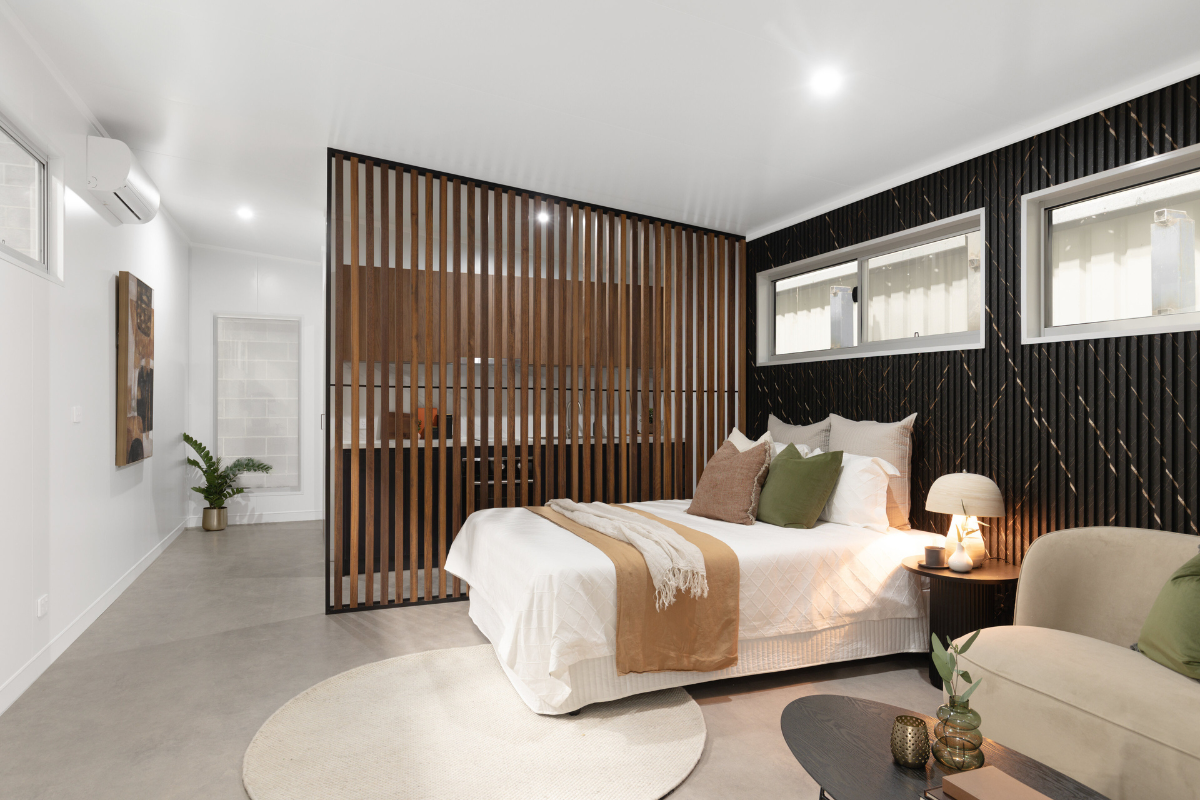
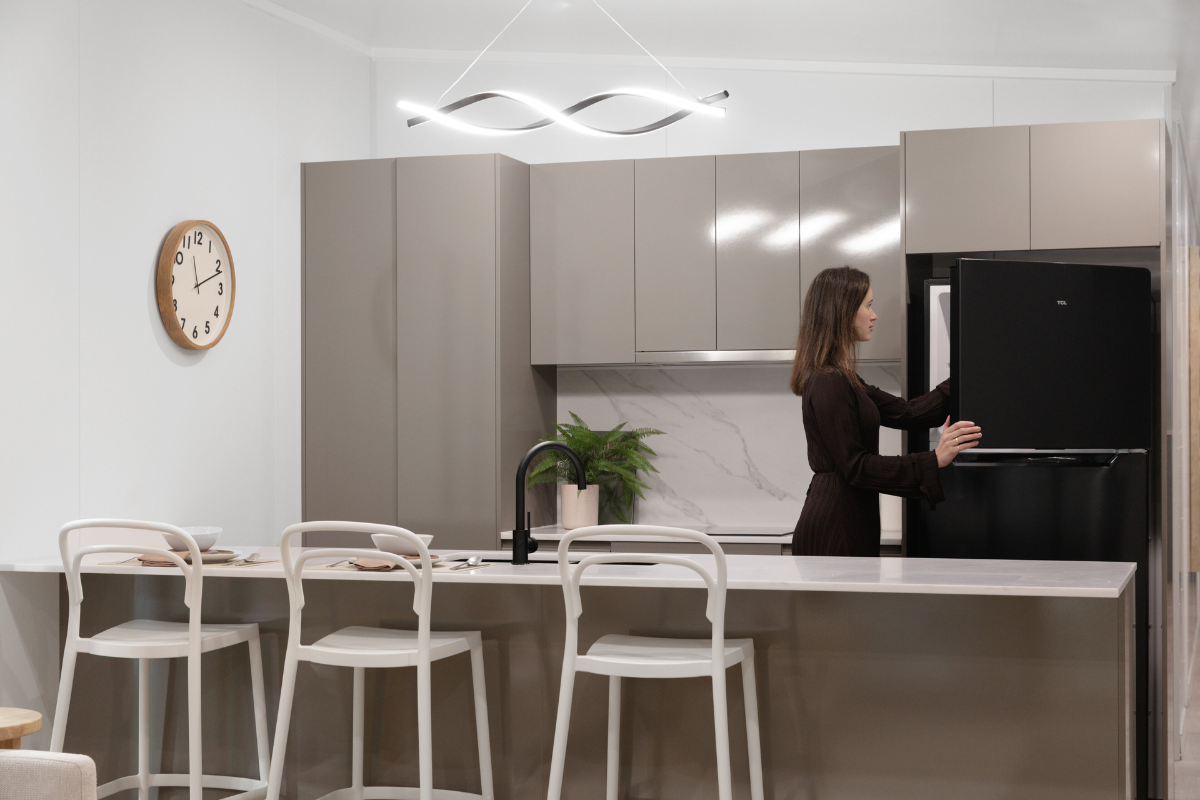
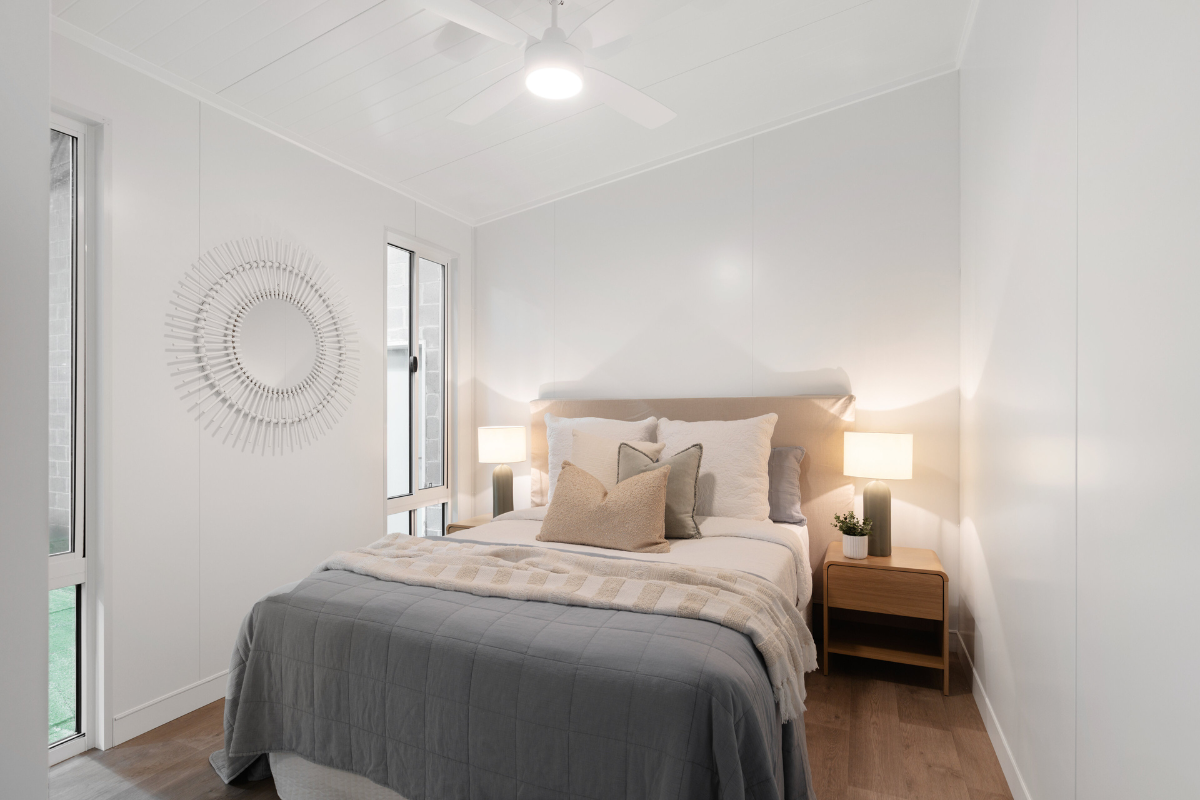
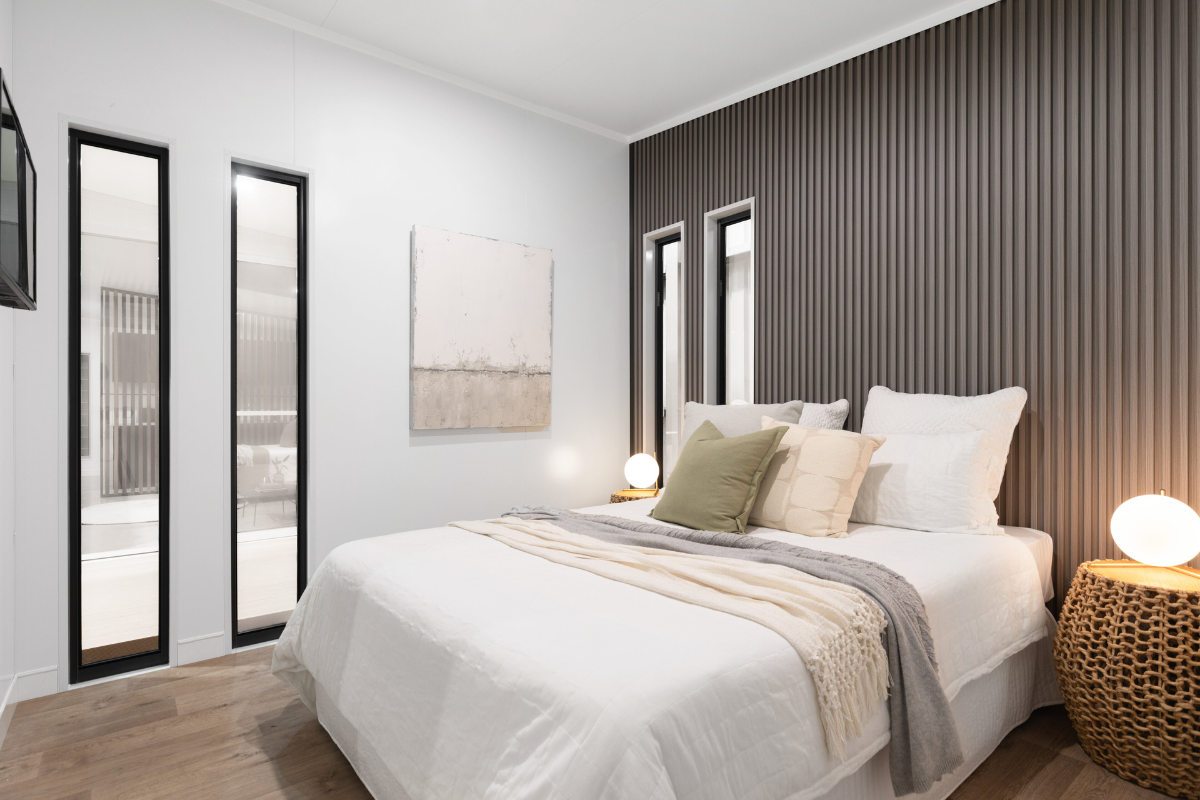
“The Airlie is designed to accommodate a small family, with two bedrooms, two bathrooms, a full kitchen and living area, and a separate laundry,” Andrew said.
The design has evolved based on customer feedback, including changes such as converting a private ensuite into a dual-access bathroom to improve day-to-day usability.
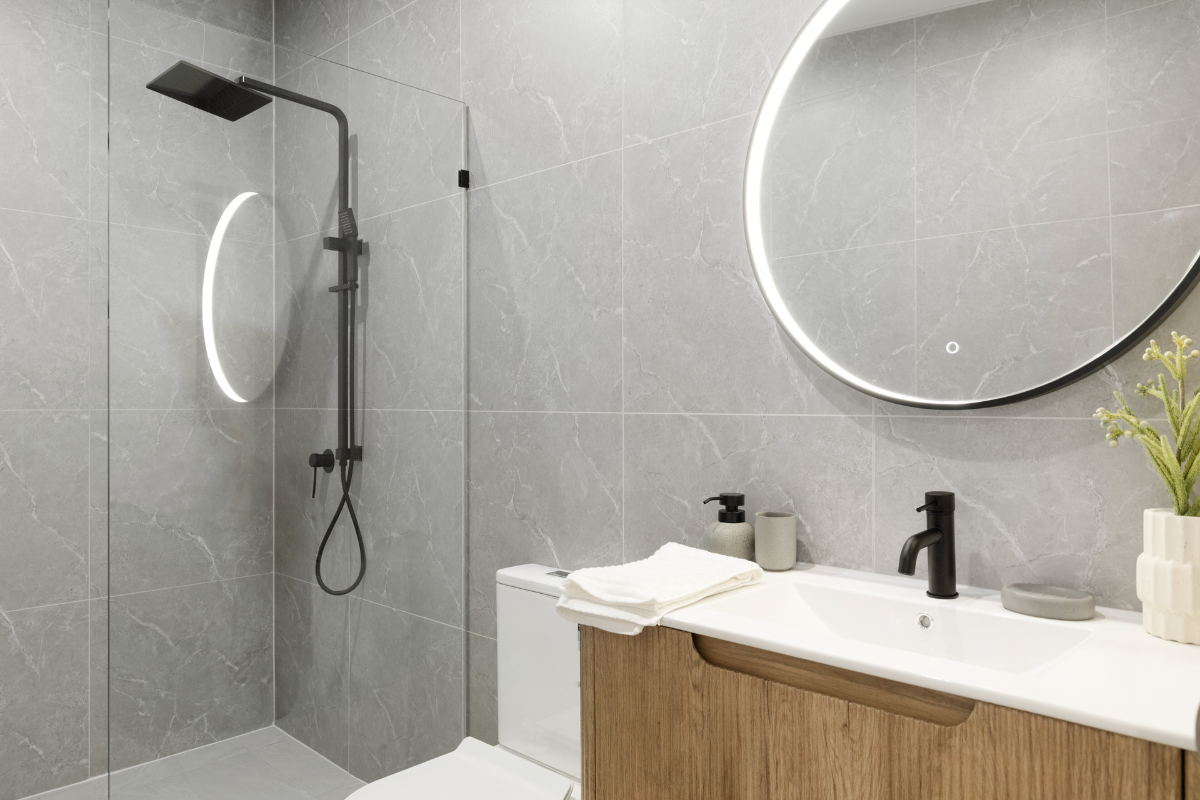
Inside, the homes are finished with practical, durable materials including Polytec kitchen joinery, stone benchtops and tiled bathrooms. Combined with the panel system, this helps balance comfort, performance and cost.
AJC Modular currently delivers around 150 to 200 homes each year and has recently completed a new large-scale manufacturing facility to meet growing demand.
The new factory is designed to produce up to 1,000 homes annually and support a national rollout, allowing AJC Modular to service projects across the country with a consistent approach.
“We’ll be able to produce 1,000 per year and service the whole country as well,” Andrew said.
AJC Modular operates on a national fixed-price delivery model, with delivery pricing calculated from the nearest Australian capital city, allowing customers across the country to benefit from simplified and transparent pricing.
At this scale, and with Bondor’s panel system, AJC Modular is creating a more realistic path into the housing market for both first-home buyers and multigenerational families.