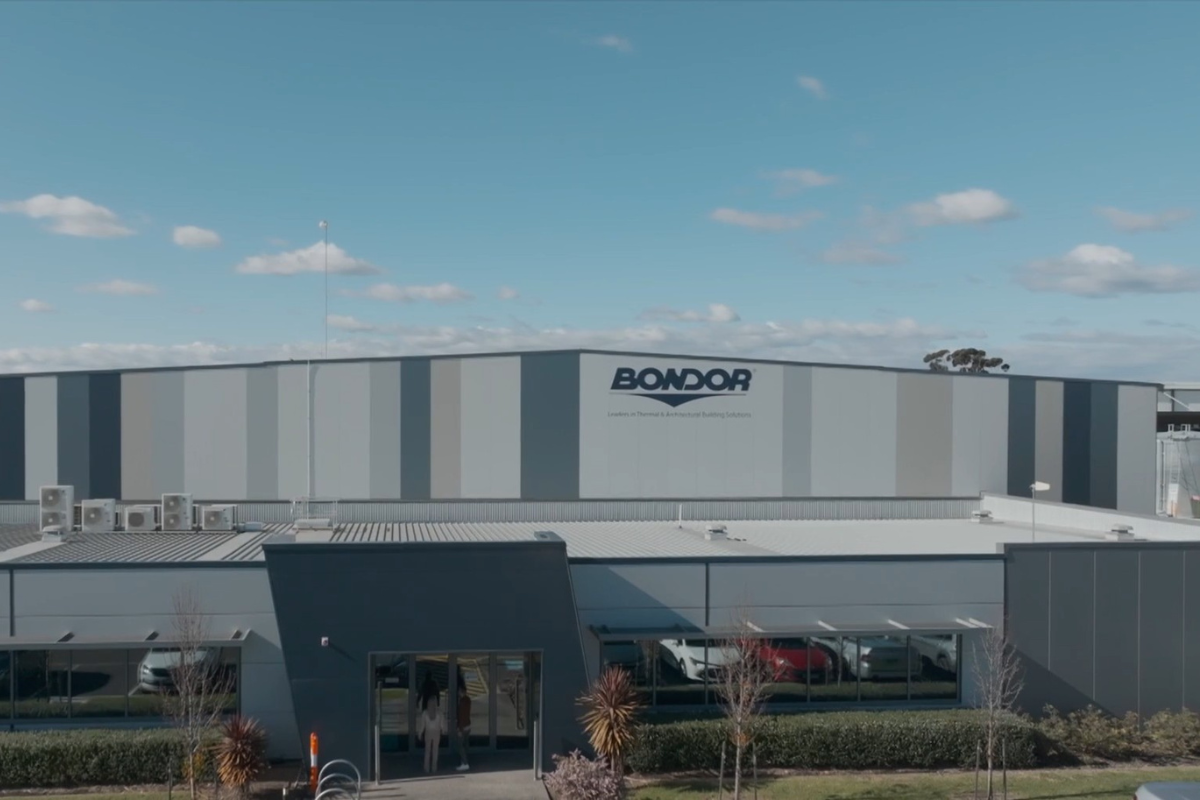
Bondor addresses these challenges through a factory‑built insulated panel system that improves energy performance, accelerates construction, and supports the broader shift to modular and panelised building in both commercial and residential markets.
Its insulated wall and roofing panels, long established in cold‑store and food processing applications, are now widely used in entertainment centres, sports stadiums, as well as domestic and modular buildings.
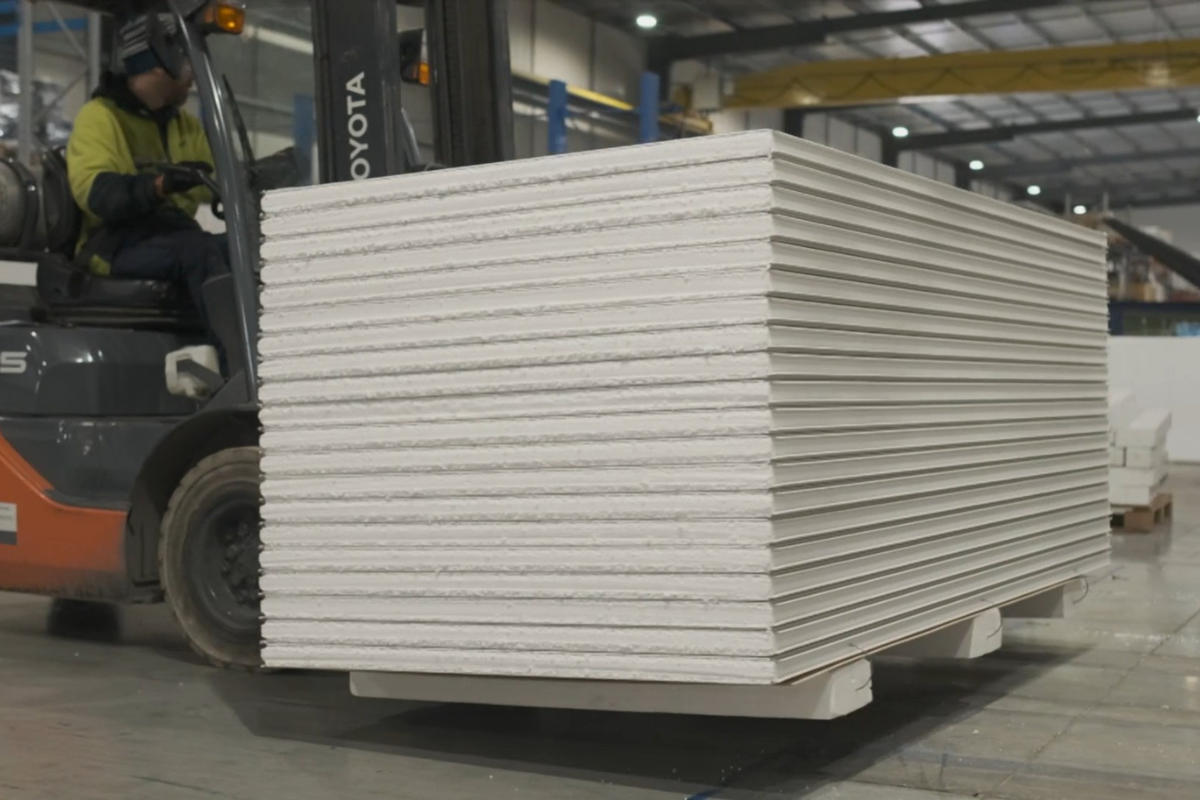
A core part of the solution is the quality of the building envelope. The panels form a continuous layer of insulation that, when installed correctly, helps improve airtightness, minimise thermal breaks and reduce the risk of condensation in walls and roofing, while supporting higher energy ratings than many conventional cladding options.
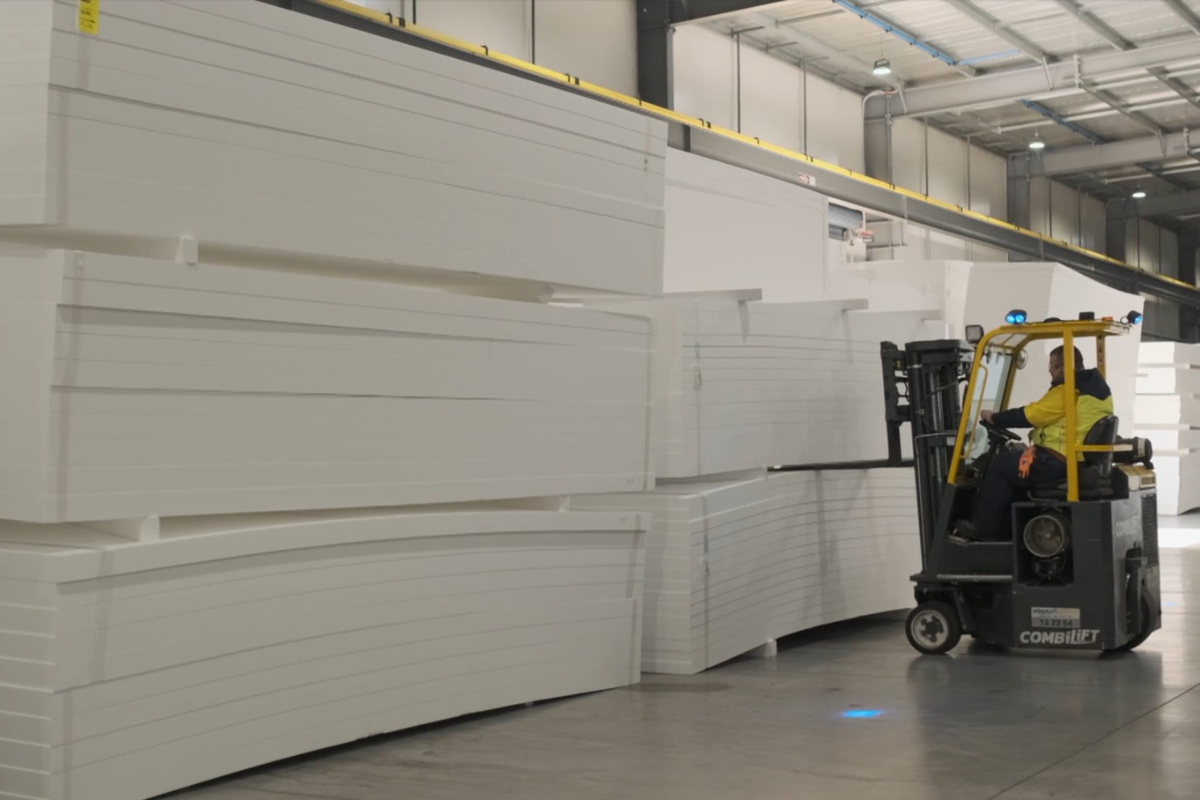
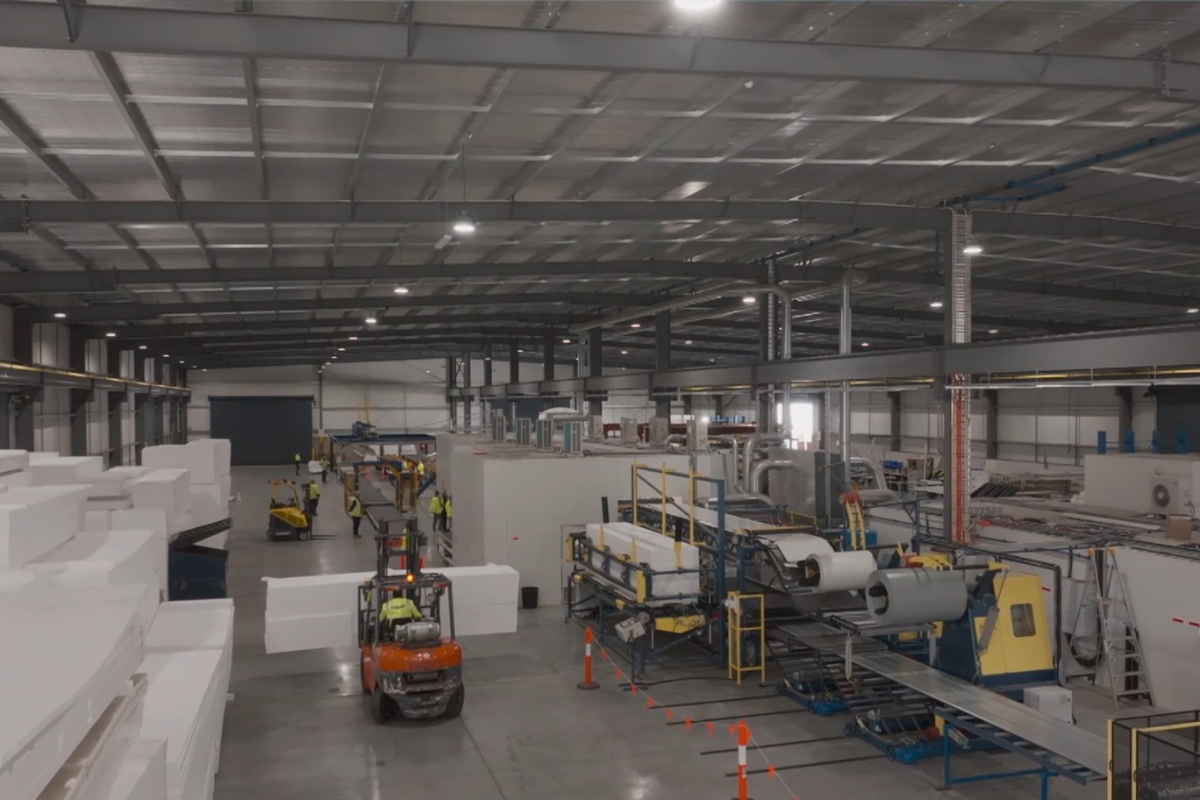
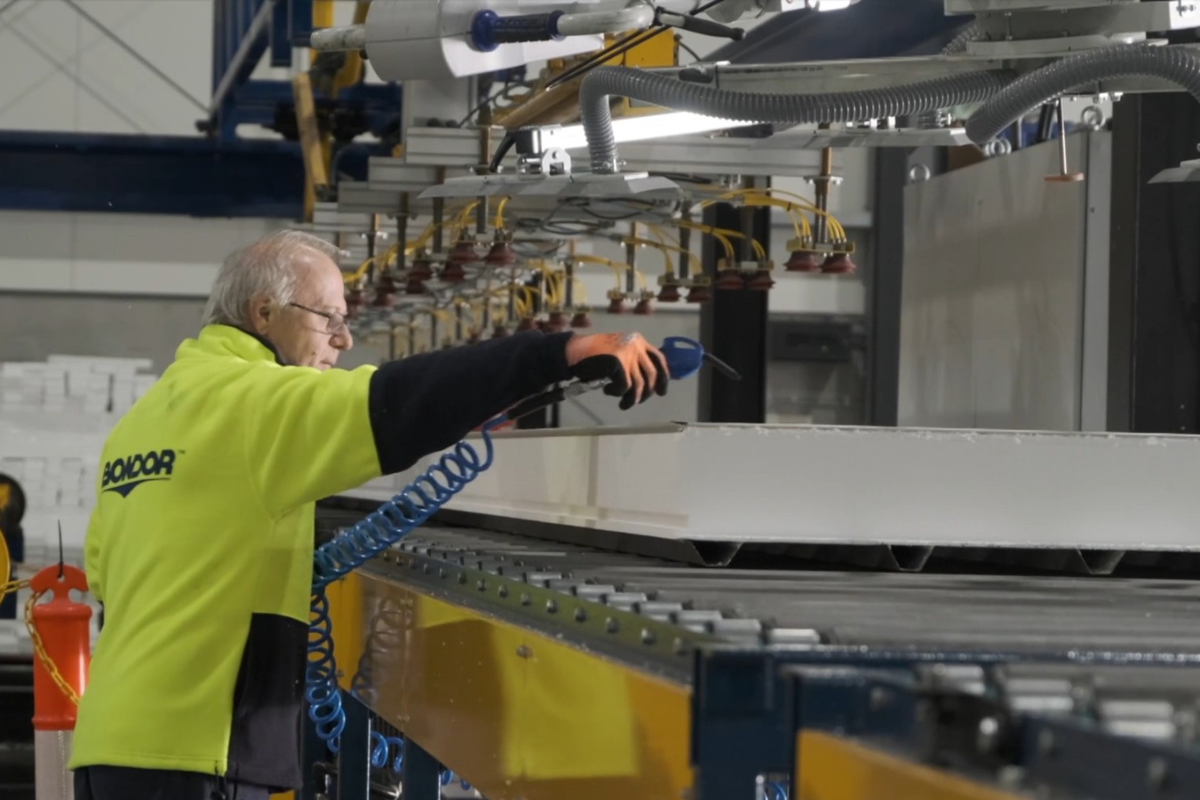
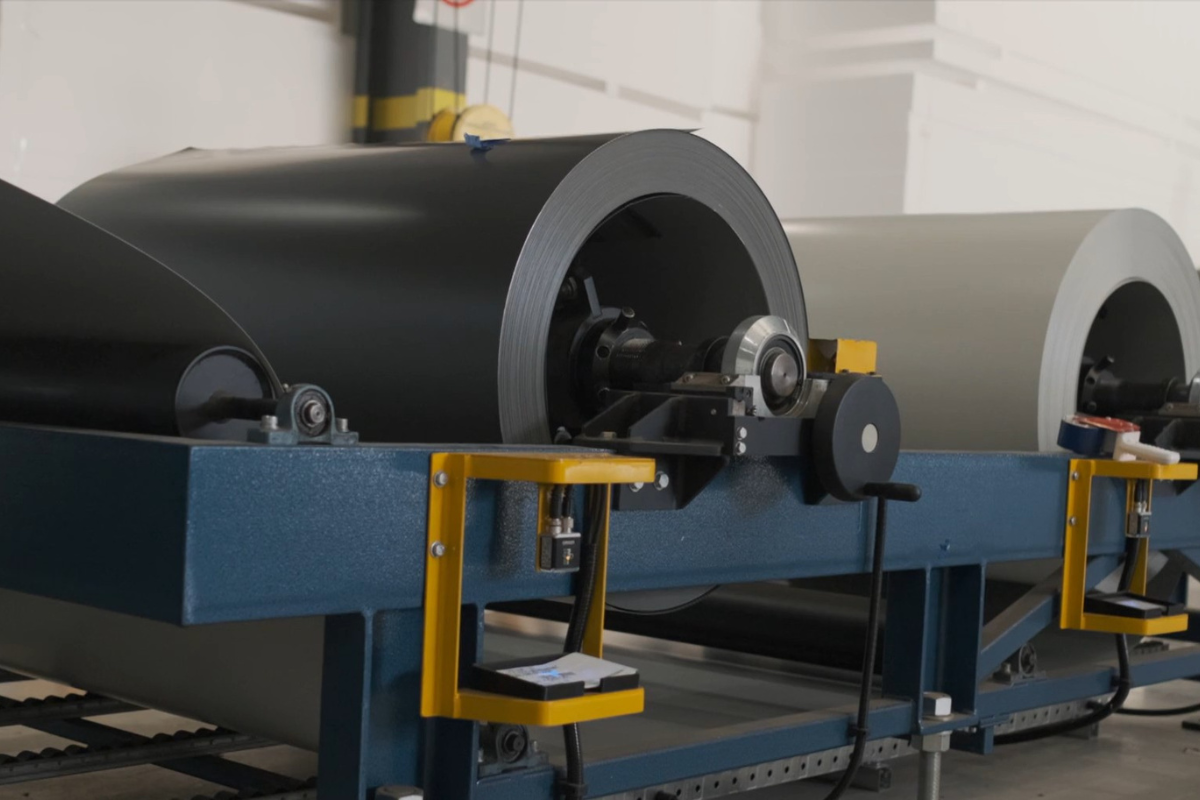
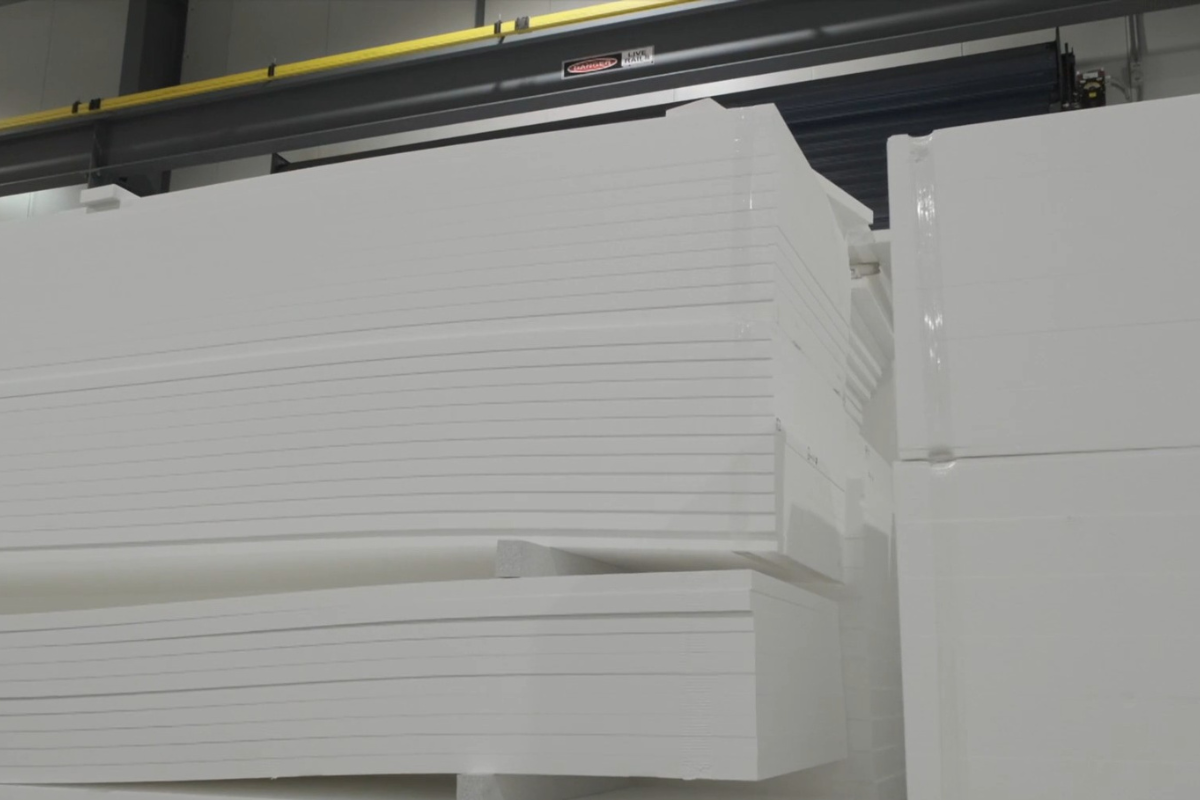
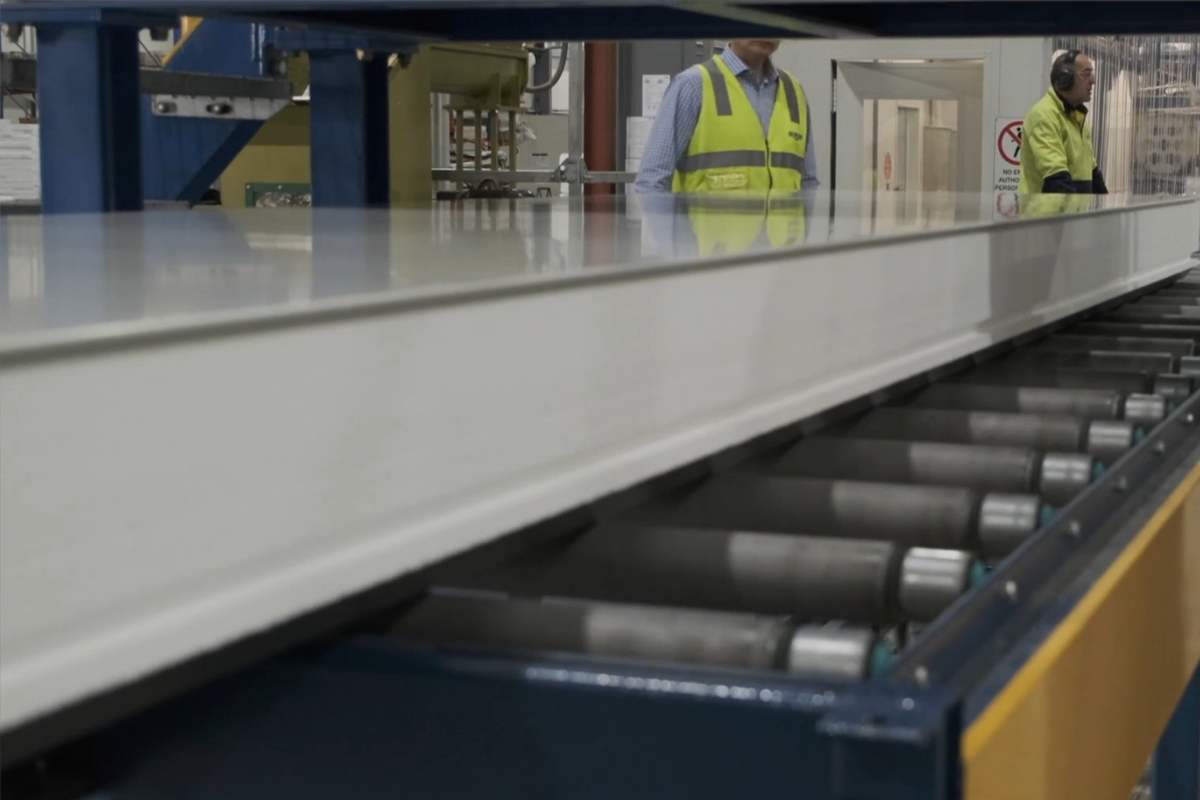
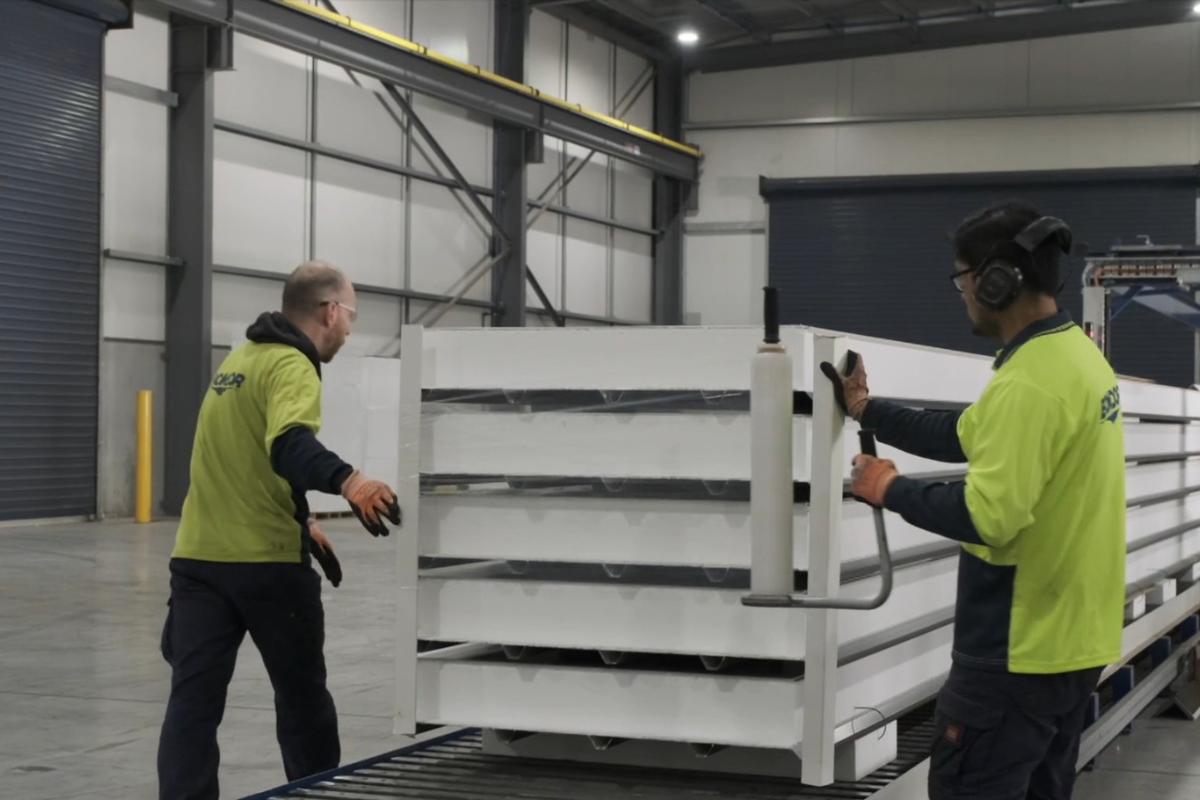
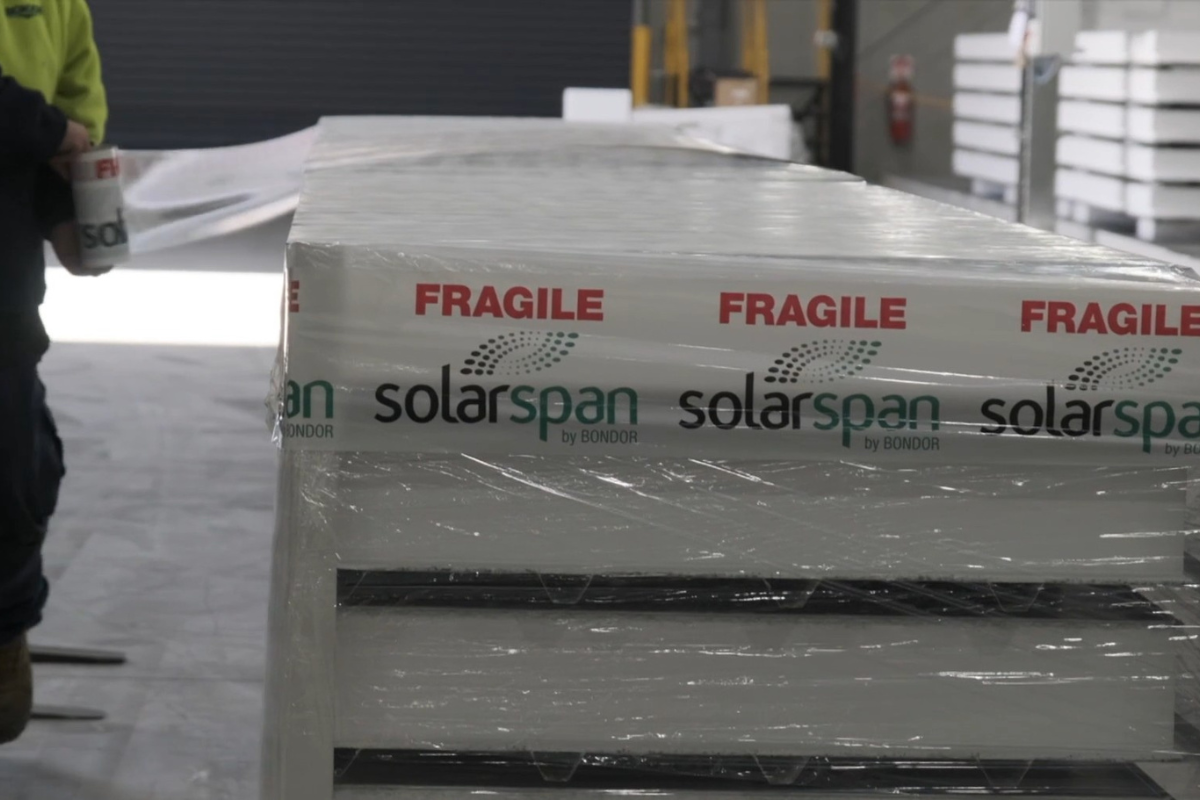
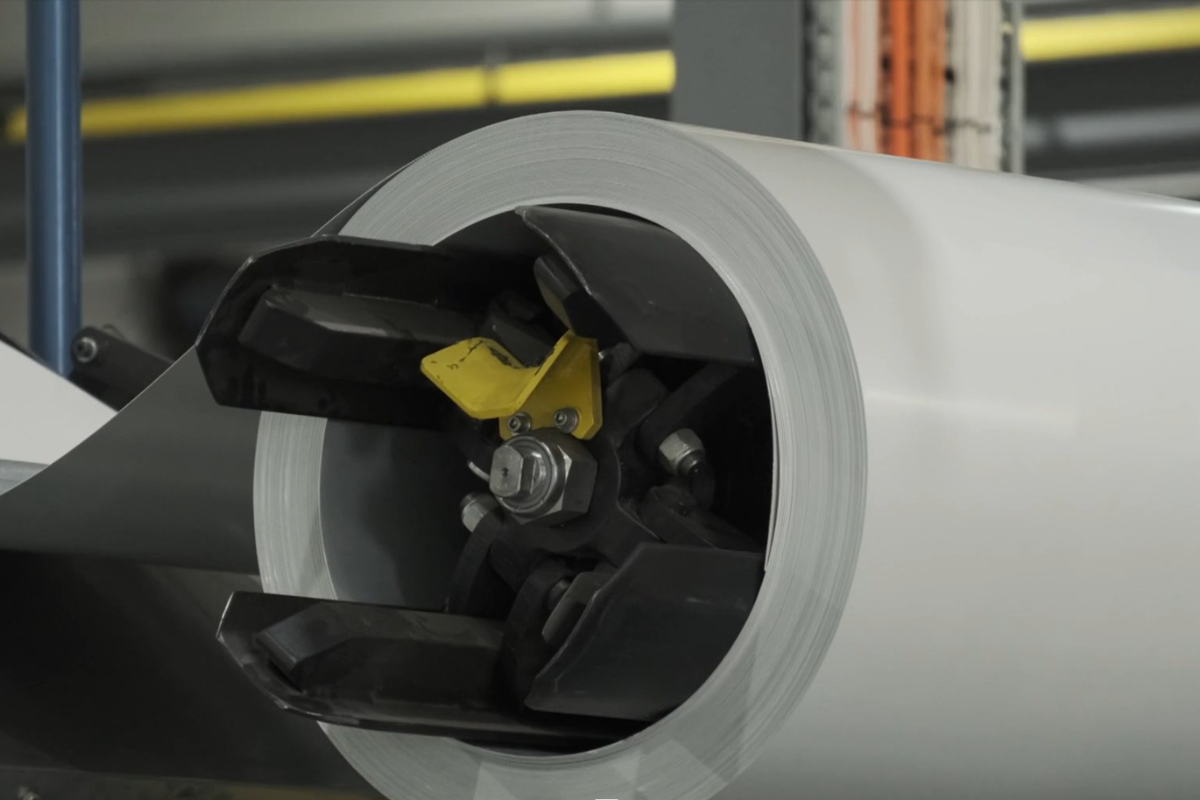
The factory production process is structured for speed and predictability, with wall and roofing panels manufactured to order rather than assembled from multiple components on site.
Panels are produced to the required length, and Bondor can supply custom‑formed elements such as corner panels, bulkheads and columns.
This reduces on‑site cutting and adjustment, simplifies installation, and helps projects move to lock‑up significantly faster than with traditional cladding systems, with fewer trades and less on‑site complexity.
Bondor also invests in supporting builders who are new to insulated panels. The team assists with planning and layout, helps with final measures, and provides on‑site guidance during early projects so that the transition to this construction method is smoother and more reliable.
This hands‑on approach often turns first‑time users into ongoing advocates for panelised construction, who continue to specify insulated panels and position them as a more efficient way of building, including for modular housing.
By combining factory‑manufactured, customisable panels with practical support for builders, Bondor enables modular and factory‑built approaches that deliver quality and volume more efficiently.
This aligns with trends in markets such as Europe, where factory‑based assembly is widely used to achieve higher throughput, more predictable programmes and energy‑efficient building shells that deliver long‑term performance benefits.